
Dental Veneers vs Bonding: Which Fixes Your Smile?
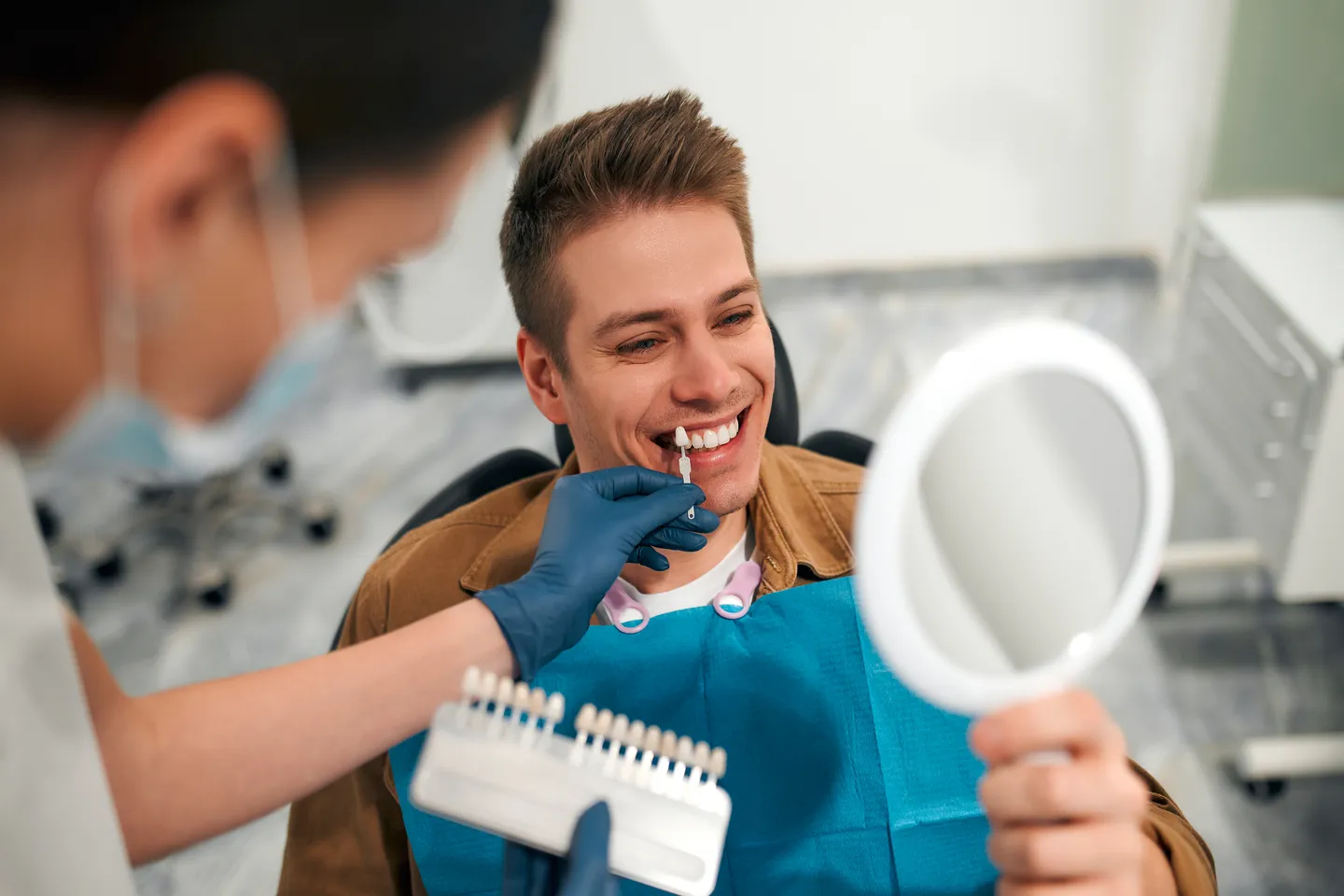
If you have a small chip on a front tooth, a gap that always catches your eye in photos, or a deep stain that whitening paste cannot touch, you do not need to rewrite your whole mouth to fix it. Minor cosmetic flaws can usually be handled with simple, targeted care that can help restore your confidence.
When you start looking at ways to fix these small issues, two popular options come up right away. You have composite dental bonding on one side and porcelain veneers on the other. Both procedures can fix chips, close spaces, and reshape teeth, but they work with completely different materials, carry different price tags, and last for different amounts of time.
If you are trying to figure out which approach makes sense for your teeth with the team at SmileCare Dental of Woodbridge, comparing how they actually play out in daily life makes the choice much simpler.
How Cosmetic Bonding Works
Dental bonding is a fast, straightforward treatment that uses a tooth-colored composite resin to repair small defects or change the shape of a tooth. It is the same type of sturdy material dentists use for tooth-colored fillings.
During a bonding appointment, your dentist lightly roughens the surface of your natural tooth so the material can grip properly. They apply a liquid conditioning agent and then place the soft resin directly onto your tooth. The dentist shapes and sculpts that resin by hand until it blends seamlessly with your surrounding smile. Once the shape looks right, a special curing light hardens the material in just a few seconds, and a quick polish finishes the job.
The best thing about composite bonding is how quick and gentle it is. In many cases, you can walk into the office with a chipped tooth and walk out with a repaired smile after a relatively short appointment, and local numbing may not be necessary depending on the treatment.
How Dental Veneers Work
Dental veneers take a different path entirely. Instead of molding material directly onto your tooth in the office, veneers are thin, custom shells made from durable porcelain crafted in a dental laboratory. They are designed to cover the front surface of the teeth being treated to give you a clean, uniform look.
To get traditional porcelain veneers placed, your dentist removes a tiny layer of enamel from the front of your teeth so the custom shells sit flat without looking thick or bulky. You wear temporary covers for a couple of weeks while the lab builds your permanent set. On your second visit, those porcelain shells are bonded securely onto the prepped teeth.
Veneers may be appropriate when you want a bigger transformation across several teeth or need to correct deeper, more complicated cosmetic issues that bonding cannot fully hide.
How They Compare Over the Long Run
Deciding between bonding and veneers usually comes down to looking at appearance, stain resistance, and how long you expect the work to last.
Both options look great, but porcelain veneers can provide an extra layer of natural shine. Porcelain can be designed to reflect light in a way that closely mimics natural tooth enamel, which can make veneers look remarkably real. Composite resin looks very natural too, but it does not quite have the glass-like translucency that porcelain offers.
Dental porcelain is also highly resistant to staining, meaning veneers can resist dark stains from coffee, tea, red wine, and berries. Composite resin can pick up surface stains over time, so bonded teeth might need occasional polishing to stay bright. Bonding is also more likely to chip if you bite down hard on tough foods like ice or hard candy.
Treatment time and permanence are another big divider. Bonding is fast and generally requires little to no removal of natural enamel. If you ever want to remove the bonding down the road, much of your natural tooth structure can remain intact. Veneers require trimming away a small layer of enamel, which means getting traditional veneers is a permanent decision. Once your teeth are prepped for veneers, they will generally require ongoing restoration or replacement when the veneers eventually need to be replaced.
Looking at Costs and Longevity
Your budget and timeline play a huge role in this choice as well.
Cosmetic bonding is significantly cheaper upfront compared to porcelain veneers. Because bonding is completed in a single visit using materials applied right in the chair, it can be an economical way to fix one or two chipped teeth. A well-cared-for bonding treatment may last between three and seven years, although longevity varies from person to person.
Porcelain veneers carry a higher initial cost because each shell is custom-built by a lab technician using high-grade porcelain. However, veneers are generally more durable and may last ten to fifteen years or longer with proper care, although they can still experience wear or damage.
Finding the Right Choice for Your Smile
Choosing between bonding and veneers really depends on what you want to fix. Bonding may be a good option if you have a small chip or gap on just one or two teeth, want an affordable option, and prefer a quick visit that leaves most of your natural enamel intact. Veneers may be considered if you want to alter multiple teeth, want high stain resistance, and are comfortable with a permanent, long-lasting transformation.
Taking time to talk things through with the team at SmileCare Dental of Woodbridge in Woodbridge, VA gives you a clear picture of what each treatment can do for your specific teeth.
Take the Next Step for Your Smile
You do not have to live with small tooth flaws that make you hold back your smile. Whether composite bonding or porcelain veneers turns out to be the right fit, addressing those small imperfections can help you feel more confident about your smile.
At SmileCare Dental of Woodbridge, we help patients across Woodbridge, VA explore their cosmetic options with simple, straightforward care.
Give our office a call today to schedule your consultation and see which option fits your goals best.
Frequently Asked Questions
Q: Does getting bonding or veneers hurt?
A: Cosmetic bonding is generally comfortable and often does not require numbing. Getting veneers involves light enamel preparation, so your dentist can numb the area to help keep you comfortable during the procedure.
Q: Can you whiten bonded teeth or porcelain veneers later on?
A: Neither composite resin nor porcelain responds to traditional whitening gels. If you want a brighter smile overall, it is best to whiten your natural teeth first so your bonding or veneers can be matched to that lighter shade.
Q: What happens if a bonded tooth chips?
A: If a piece of bonding chips off, your dentist can smooth it out or add fresh composite resin during a quick office visit to repair the tooth.
Q: Does dental insurance pay for veneers or bonding?
A: Purely cosmetic procedures are generally not covered by insurance. However, if bonding is needed to repair a tooth damaged by decay or an injury, some coverage may apply depending on your plan. Our office team can check your plan details for you.


Office Hours
Monday - Thursday: 7:00 am - 4:00 pm
Friday - Sunday: Closed


© 2026 SmileCare Dental of Woodbridge | All Rights Reserved | Privacy Policy | Digital Marketing by Remedo