
How Can an Emergency Dentist Treat a Broken or Cracked Tooth?
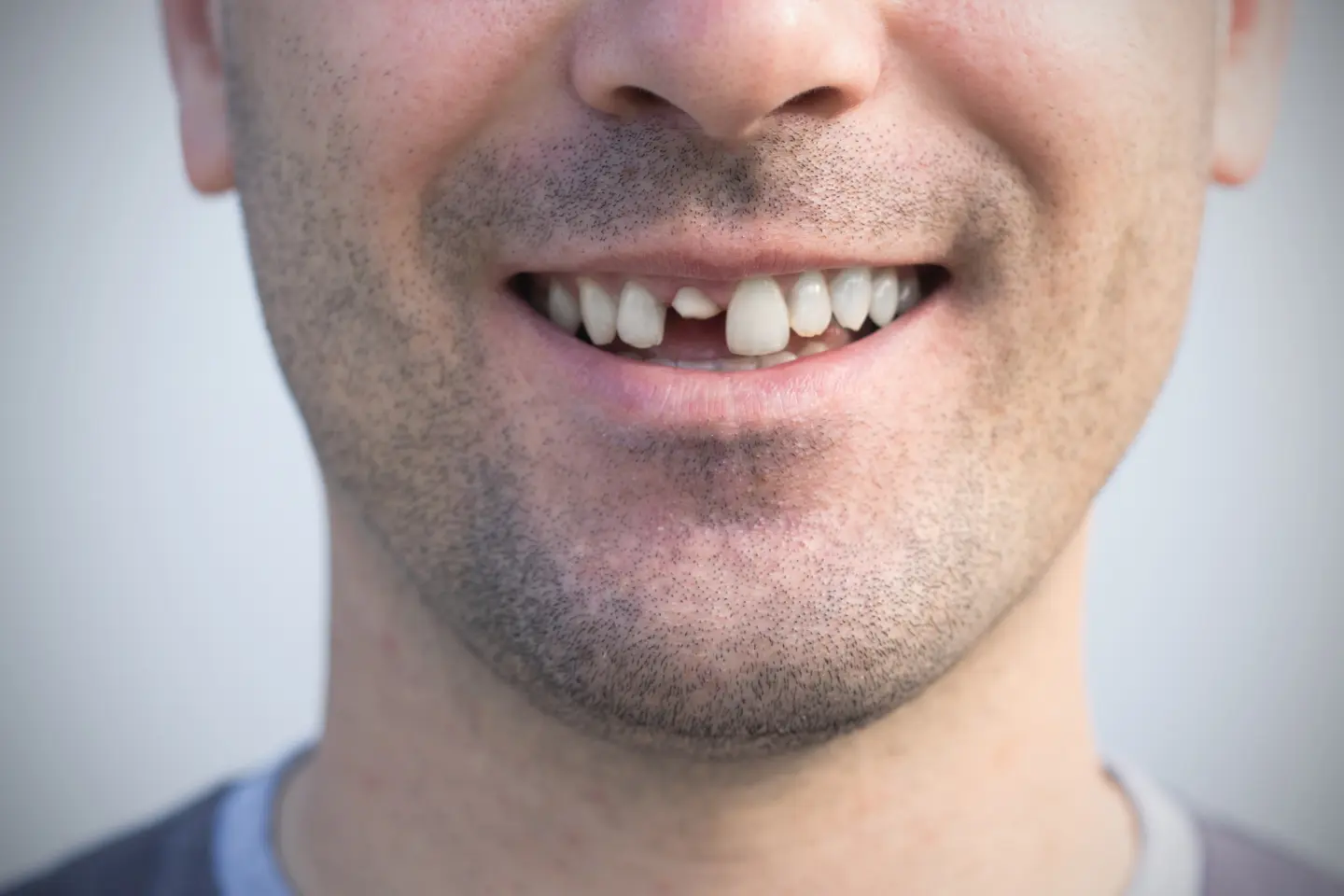
A cracked or broken tooth has a way of ruining your day without any warning at all. Maybe you bit into something harder than expected. Maybe you took a bump during a pickup basketball game, or just noticed a jagged edge with your tongue while brushing your teeth this morning. Whatever the cause, that first jolt of pain (or panic, if there's no pain but you can see damage) usually leads to the same question: what happens now?
If you're searching for an emergency dentist Woodbridge, VA residents trust for situations exactly like this, it helps to know what the actual visit looks like from start to finish. Knowing the process ahead of time takes some of the anxiety out of it. And it can help you decide how fast you actually need to get in.
What Should You Do Immediately After Cracking a Tooth?
Before you even get to the dental chair, the first few minutes matter. Rinse your mouth gently with warm water to clear away any debris or blood. If there's swelling, a cold compress against the cheek can help keep it manageable. Found the broken piece? Keep it in a small container with milk or saliva. It's sometimes useful information for the dentist, even if it can't always be reattached.
- Rinse with warm water to clean the area
- Apply a cold compress to reduce swelling
- Save any broken tooth fragments if possible
- Avoid chewing on that side of the mouth
- Call your dentist right away instead of waiting
Waiting it out is one of the more common mistakes people make. Even a crack that barely hurts at first can worsen fast, letting bacteria reach the inner layers of the tooth.
What Happens During the Emergency Dental Visit?
Once you're in the chair, the process is a lot more straightforward than most people expect. It starts with a conversation, then moves into examination and imaging, and finally treatment planning based on what's actually going on beneath the surface.
Step One: the Dentist Asks Questions and Examines the Tooth
The visit usually begins with a quick discussion about how the injury happened, when it happened, and what symptoms you're feeling. Sharp pain? Sensitivity to temperature? Maybe just a rough edge. The dentist will then look the tooth over and gently check the surrounding gum tissue and bite alignment.
Step Two: X-Rays Determine the Extent of the Damage
Cracks aren't always visible to the naked eye, especially if they run below the gumline or into the root. Digital X-rays let the dentist see the full picture, including whether the crack has reached the pulp (the nerve center of the tooth) or if the jawbone has been affected. This step is what actually determines the treatment path. Not guesswork based on how the tooth looks on the surface.
Step Three: the Dentist Classifies the Type of Break
Not all cracks are treated the same way, so the dentist will identify which category the damage falls into.
- Craze lines, tiny surface cracks that usually don't need treatment
- Fractured cusp, a broken piece near the chewing surface
- Cracked tooth extending toward the root
- Split tooth, where the crack has fully separated the tooth into segments
- Vertical root fracture, starting below the gumline and moving upward
How Does an Emergency Dentist Actually Fix the Tooth?
Once the dentist understands the type and severity of the break, treatment can begin, often on the same day when possible.
Minor Cracks or Chips
For smaller chips or shallow cracks that haven't reached the nerve, dental bonding is often enough. The dentist applies a tooth colored resin to the damaged area, shapes it, and hardens it with a curing light. It's a relatively quick fix. Restores both function and appearance, no big deal in the grand scheme of dental emergencies.
Moderate Fractures
When a larger portion of the tooth is missing but the root is stable, a dental crown is often recommended. The dentist will shape the remaining tooth structure, take an impression (or a digital scan), and place a crown that covers and protects what's left. Sometimes a temporary crown goes on first while a custom permanent one is being made.
Cracks Reaching the Nerve
If the crack has extended into the pulp, root canal therapy usually becomes necessary. This step removes the damaged nerve tissue, cleans out the canal, and seals it to prevent infection. A crown is typically placed afterward to reinforce the tooth. Sounds intimidating. Truth is, it's a routine procedure done to relieve pain and save the natural tooth whenever that's still possible.
Severe Breaks or Split Teeth
When a tooth is too damaged to repair, extraction may be the only realistic option. In these cases, the dentist will usually talk through replacement options afterward, like a dental implant or bridge, so the space doesn't throw off your bite or shift the surrounding teeth over time.
What Happens After Treatment?
Recovery instructions depend on which procedure was done, but most people are told to avoid chewing on that side for a short period, stick to softer foods temporarily, and keep an eye out for lingering sensitivity. If a crown or bonding was placed, follow up visits may be scheduled to make sure everything is settling properly and the bite feels natural.
Ready to Get Started?
Dealing with a broken or cracked tooth isn't something you want to sit on, even if it doesn't seem that serious at first glance. Smile Care Dental of Woodbridge provides prompt, straightforward care for anyone dealing with a dental injury, walking through each step so you know what's coming before it happens. Whether you need a same day evaluation or ongoing restorative work, Smile Care Dental of Woodbridge is set up to handle it quickly and without the runaround.
As a family dentist in Woodbridge, VA, Smile Care Dental of Woodbridge also treats patients of all ages, so kids, parents, and grandparents can all be seen at the same practice. And for anyone worried about cost, here's the thing: Smile Care Dental of Woodbridge is known as an affordable dentist in Woodbridge, offering treatment options that fit different budgets without cutting corners on care. If a cracked tooth has you searching for help, reach out to Smile Care Dental of Woodbridge today and get seen fast.
FAQs About Treating a Broken or Cracked Tooth
Q: How do I know if my cracked tooth is a dental emergency?
A: If you're dealing with significant pain, swelling, bleeding, or a piece of the tooth has broken off completely, treat it like an emergency. Even mild discomfort shouldn't be ignored for long. Cracks tend to worsen with time, not heal on their own.
Q: Can a cracked tooth heal on its own?
A: No. Tooth enamel doesn't regenerate or repair itself the way bone or skin does. Once a crack forms, it needs to be evaluated and treated, otherwise it typically gets worse with normal chewing and pressure.
Q: Is it painful to get a cracked tooth treated?
A: Most procedures, including bonding, crowns, and root canals, are done with local anesthesia. You'll typically feel pressure rather than pain during treatment. Some mild soreness afterward is normal and usually manageable with over the counter pain relief.
Q: How long does treatment for a broken tooth take?
A: Depends on the severity. Simple bonding can often be done in one visit lasting under an hour, while crowns or root canals may take one or two appointments spaced a week or two apart.
Q: What if I can't get in right away? Is there anything I can do at home?
A: Rinsing with warm salt water, applying a cold compress, and avoiding chewing on the affected side can help manage discomfort temporarily. Over the counter pain relievers help too, but let's be honest, these steps are not substitutes for professional treatment.


Office Hours
Monday - Thursday: 7:00 am - 4:00 pm
Friday - Sunday: Closed


© 2026 SmileCare Dental of Woodbridge | All Rights Reserved | Privacy Policy | Digital Marketing by Remedo