
How Long Do Dental Crowns Last? Factors That Affect Their Lifespan
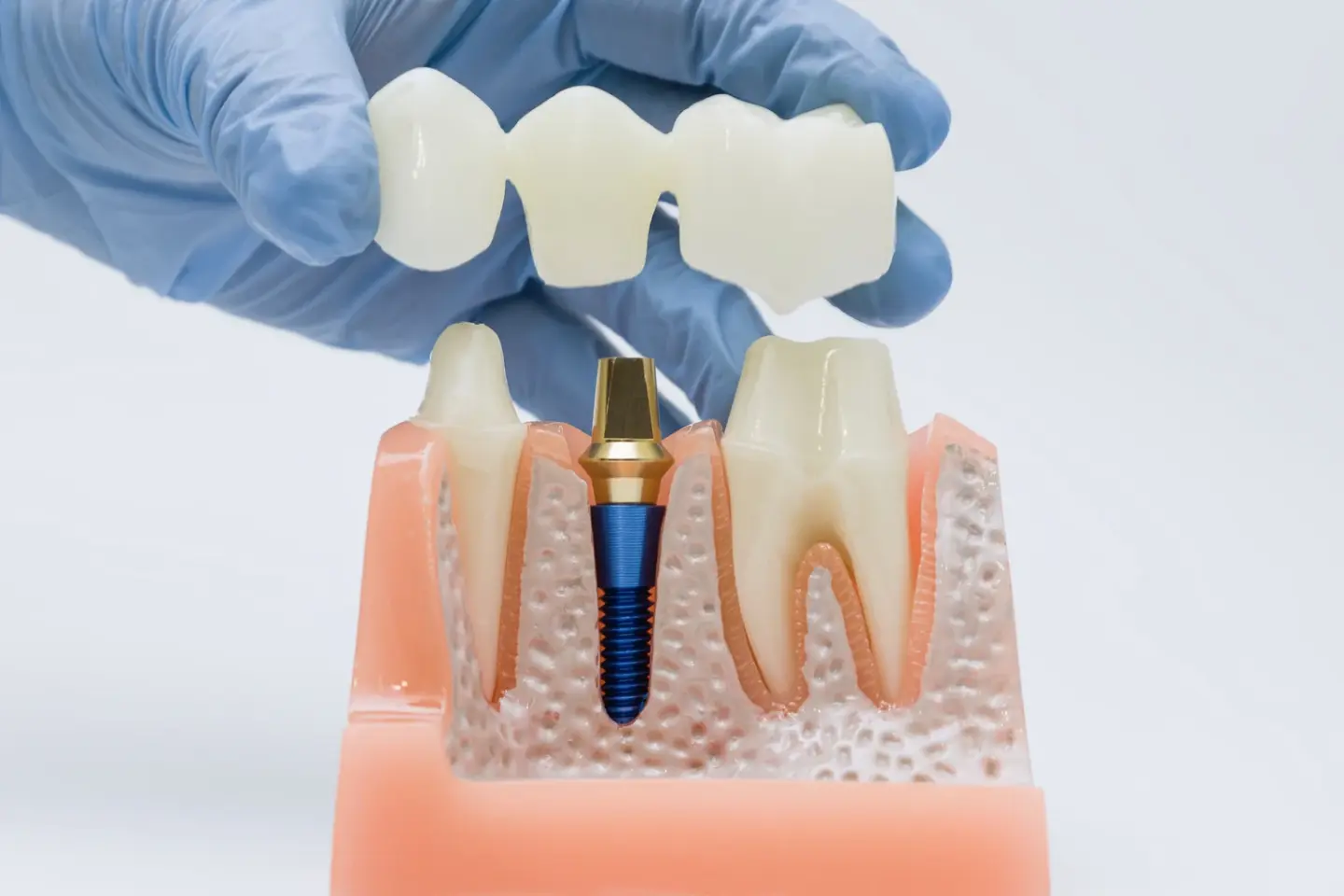
Getting a dental crown is a great way to save a damaged tooth, fix a crack, or protect things after a root canal. But once you sit in the chair and get that new crown placed, it is only natural to wonder how many years you are actually going to get out of it.
The short answer is that a well-made crown usually lasts somewhere between five and fifteen years. Some people keep theirs for over twenty years without a single issue, while others might need a replacement much sooner. Since crowns do not come with a set expiration date, their actual lifespan comes down to a mix of the materials used, how hard you chew, and how well you clean around the tooth every day.
If you are looking for a reliable team at SmileCare Dental of Woodbridge to check on an older crown or help you care for a new one, knowing what affects their lifespan helps you keep your smile in good shape for the long run.
What Is the Typical Lifespan of a Crown?
Crowns often last around ten years on average, although their lifespan varies. But it is helpful to realize that while the crown itself is made of porcelain or metal and cannot get a cavity, the real tooth underneath it definitely still can.
The spot where the lower edge of the crown meets your natural tooth is the most sensitive area. If bacteria build up right along that gumline, decay can develop around the crown margin. When that happens, the tooth structure supporting the crown breaks down, and the whole restoration can come loose.
Main Things That Impact How Long Your Crown Lasts
A few everyday habits and physical factors decide how many years you get out of your crown.
The Material It Is Made From
Dental crowns are built from a few different materials, and each one handles daily wear differently:
- Porcelain fused to metal gives you a tough metal core with a natural porcelain layer on top, though that outer layer can sometimes chip over time.
- All-ceramic or porcelain crowns look just like natural enamel, making them popular for front teeth, though they can crack under intense pressure.
- Zirconia is extremely strong and can withstand substantial chewing forces, which makes it a frequent choice for back molars.
- Gold or metal alloys are highly durable and resistant to fracture, but because of their color, they are mostly used on teeth near the back of your mouth.
Where the Crown Is Located
Your back molars take the brunt of the force every time you chew your food. Because those teeth endure so much pressure daily, crowns on molars often experience more wear than crowns on your front teeth.
Your Daily Habits
Brushing twice a day and flossing around the crown is an important factor under your control. If plaque sits around the gumline, it can contribute to gum recession or decay right along the base of the crown, which can affect the tooth supporting the restoration.
Grinding and Clenching
Clenching your jaw when stressed or grinding your teeth at night puts massive pressure on your dental work. Over time, that force can chip porcelain or break down the dental cement holding the crown in place. Using your teeth to open packages or biting on ice can cause the exact same damage.
Warning Signs an Old Crown Needs Attention
Dental crowns can sometimes develop problems without obvious warning. You may notice a few small signals that mean it is time to have a dentist take a look:
- The crown feels slightly loose or shifts when you chew.
- You feel pain when biting down or persistent sensitivity to cold drinks.
- You notice a visible crack or chip in the material.
- Your gums look swollen, red, or start pulling back from the base of the crown.
How to Help Your Crown Last Longer
Taking care of a crown does not require any fancy tools. Simple, steady daily habits make the biggest difference:
- Brush gently along the gumline with a soft toothbrush to keep plaque from settling where the tooth meets the crown.
- Floss between your teeth every day to clean out food trapped on the sides of the restoration.
- Wear a custom nightguard if you grind your teeth while sleeping to shield your crowns from heavy pressure.
- Avoid chewing on hard items like ice, hard candy, or pen caps.
- Keep up with your regular dental cleanings so your dentist can check for early signs of wear.
Partnering with the team at SmileCare Dental of Woodbridge in Woodbridge, VA makes it easy to keep your restorations in check and handle minor issues before they turn into bigger problems.
Protect Your Smile with SmileCare Dental of Woodbridge
Whether you need to check an old crown or get a new one placed, having a supportive dental team makes all the difference. At SmileCare Dental of Woodbridge, we help patients across Woodbridge, VA keep their natural teeth and restorations healthy with straightforward, comfortable care.
If you have questions about a crown or need to book a checkup, give our office a call today to schedule your visit.
Frequently Asked Questions
Q: Does getting a dental crown hurt?
A: Your dentist uses local numbing during the procedure, so you typically should not feel pain while the tooth is being prepared or fitted. You might feel a little mild gum tenderness for a few days afterward as your mouth adjusts.
Q: Can you get a cavity under a dental crown?
A: The crown itself cannot decay, but the natural tooth underneath it can still develop a cavity, especially along the lower margin near the gumline where plaque tends to collect.
Q: What should I do if my crown falls off?
A: Keep the crown in a safe place and call your dentist right away. Do not try to glue it back in yourself with household glue. Your dentist will check the tooth and safely re-cement or replace it.
Q: How do I know if my old crown needs to be replaced?
A: Your dentist checks your crowns during routine checkups using visual exams and X-rays. Common reasons for replacement include decay along the edges, cracks in the material, or a loose fit.


Office Hours
Monday - Thursday: 7:00 am - 4:00 pm
Friday - Sunday: Closed


© 2026 SmileCare Dental of Woodbridge | All Rights Reserved | Privacy Policy | Digital Marketing by Remedo