
Understanding the Different Types of Dental Implants in Woodbridge, VA
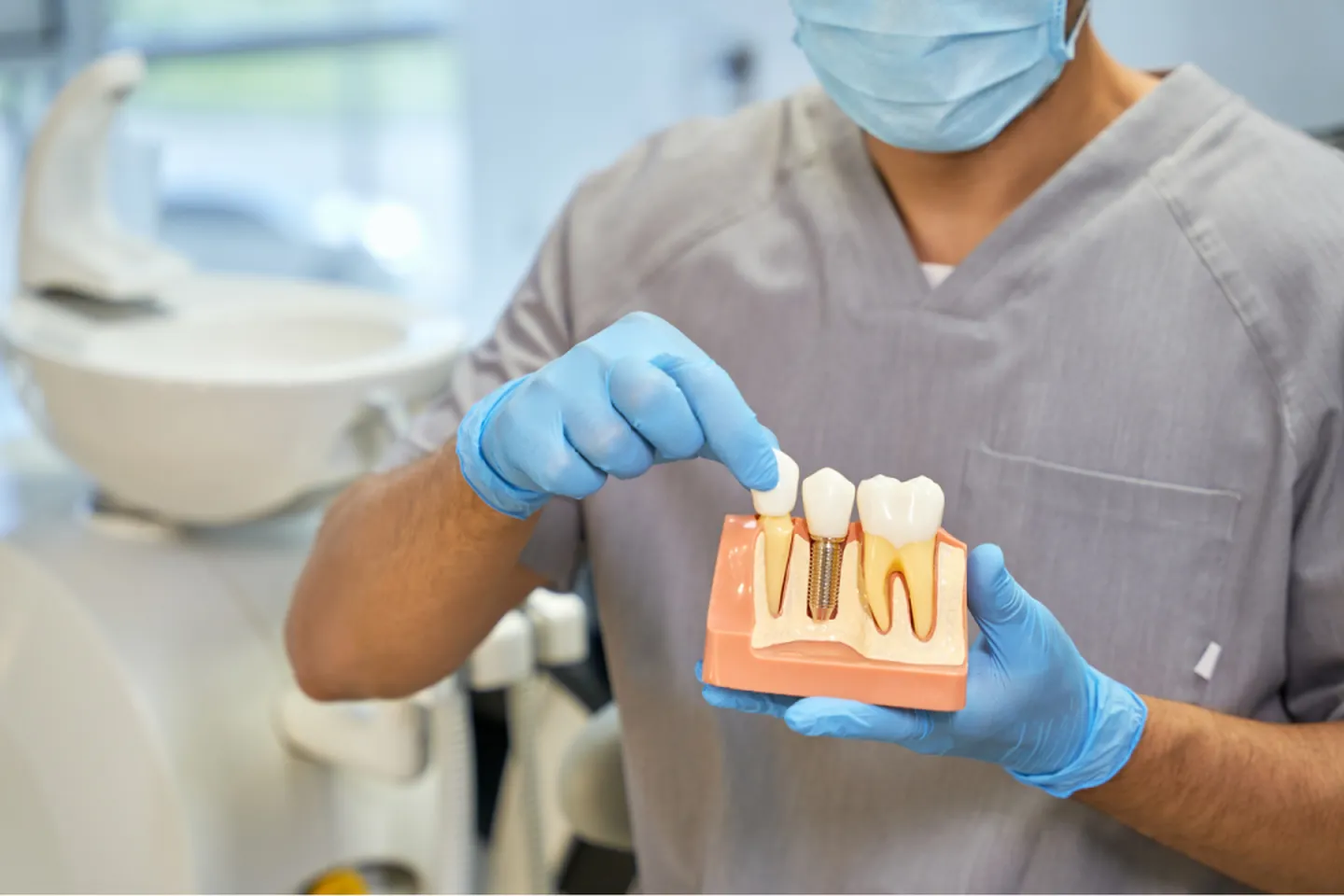
Dental implants are often called the gold standard for tooth replacement, and for good reason: they are the only solution that replaces the missing tooth root, creating a stable, permanent foundation for a new tooth. But just like cars, there isn't just one type. When you look into types of dental implants, you'll quickly realize that modern dentistry offers incredible flexibility, ensuring there’s a solution tailored precisely to your unique jaw structure and needs.
At SmileCare Dental of Woodbridge, we believe that understanding your options is the first step toward getting the best type of dental implants for your smile. Here is a breakdown of the different types of dental implants we use to restore health and confidence for our neighbors.
The Big Difference: Where The Implant Sits
When we talk about dental implant types, the main distinction usually lies in where the implant post is placed in relation to the jawbone.
1. Endosteal Implants: The Gold Standard
- What it is: This is the most common and widely used dental implant type, and it’s likely what you picture when you think of an implant. It consists of a small, titanium screw (or cylinder) that is surgically placed directly into the jawbone.
- Best For: Patients who have adequate height and density of a healthy jawbone.
- Why it's popular: The titanium fuses naturally with the bone through a process called osseointegration. This creates an incredibly strong, stable anchor that acts exactly like a natural tooth root. Because it stimulates the bone, it helps prevent the bone loss that usually occurs after a tooth is lost. If you are replacing a single tooth, this is typically the best type of dental implant.
2. Subperiosteal Implants: The Alternative Solution
- What it is: These types of dental implants are used much less frequently now. Instead of going into the bone, the implant rests on top of the jawbone, just under the gum tissue. It consists of a metal framework that is custom-fitted to the jaw's contours.
- Best For: Patients who have significant bone loss and either cannot or choose not to undergo bone grafting procedures to build up the bone for an endosteal implant.
- Considerations: While a viable option for bone-deficient jaws, they generally do not offer the same long-term stability or bone stimulation as endosteal implants.
Defined By Function: Replacing One Tooth Or An Entire Arch
Beyond the location of the implant, we often categorize different types of dental implants based on how many teeth they are replacing:
1. Single Tooth Implants
- What it is: This uses one Endosteal implant to replace one missing tooth. A custom crown, perfectly matched to your natural teeth, is secured on top of the implant post.
- The Benefit: It is the best treatment because it replaces the tooth without requiring any modification to the neighboring healthy teeth (unlike a traditional bridge).
2. Full Arch Implants (All-on-X)
- What it is: This technique is designed to replace an entire arch of missing teeth (top or bottom). It uses a strategic number of implants (often four to six, hence the term "All-on-X") to support a full, permanent bridge of teeth.
- The Benefit: This is a life-changing solution for people struggling with dentures. The dental implant types used here are usually angled Endosteal implants that maximize the use of available bone, often avoiding the need for extensive bone grafting.
3. Mini Dental Implants (MDIs)
- What it is: These are smaller in diameter than traditional Endosteal implants.
- Best For: They are most commonly used to provide stabilization for loose lower dentures, helping them snap securely into place. They are also sometimes used in very narrow spaces where traditional implants won't fit.
- Considerations: While less invasive, they typically cannot withstand the strong bite forces needed for major single tooth replacement, so their use is generally limited to denture stabilization.
4. Zygomatic Implants (For Complex Cases)
- What it is: These are the longest and most specialized dental implant types. They bypass the jawbone entirely and anchor into the dense bone of the cheekbone (the zygoma).
- Best For: Patients with the most severe bone loss in the upper jaw who are not candidates for bone grafting or traditional implants. This is considered an advanced surgical solution.
Finding The Best Type Of Dental Implants For You
The truth is, there is no single best type of dental implants that works for everyone. The best implant is the one that is specifically chosen and precisely placed to suit your unique anatomy, bone health, and aesthetic goals.
When you come to us for Types of Dental Implants in Woodbridge, VA, our process is highly personalized:
- 3D Imaging: We start with advanced 3D scans (CBCT) to measure the exact quantity and quality of your jawbone.
- Assessment: We look at your overall health, how many teeth you are missing, and the intended function of the new teeth.
- Recommendation: Only then do we recommend the specific dental implant types (Endosteal, Mini, or All-on-X) that offer you the highest success rate and the most stable, long-lasting result.
If you are ready to learn more about which of the different types of dental implants is right for restoring your smile, we invite you to schedule a consultation with our experienced team at SmileCare Dental of Woodbridge.


Office Hours
Monday - Thursday: 7:00 am - 4:00 pm
Friday - Sunday: Closed


© 2026 SmileCare Dental of Woodbridge | All Rights Reserved | Privacy Policy | Digital Marketing by Remedo