
Endosteal Implants in Woodbridge, VA
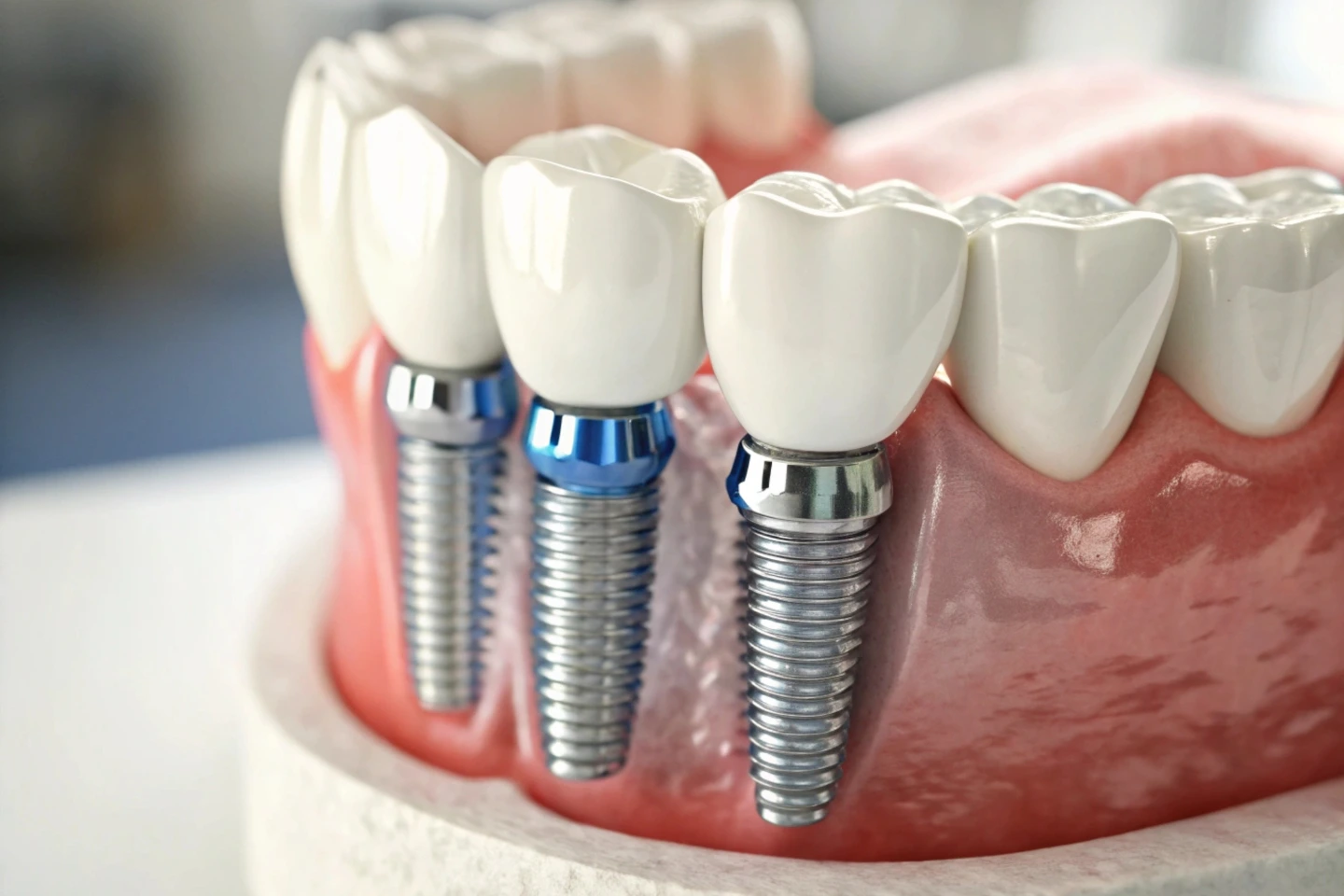
Losing a tooth changes more than just how your smile looks. It affects how you chew, how you speak, and in many cases, how comfortable you feel in everyday social situations. Over time, a missing tooth can lead to bone loss in the jaw, shifting of neighboring teeth, and a gradual decline in your overall oral health — all from a single gap that went unaddressed.
If you're living with a missing tooth or struggling with a solution that no longer feels stable or comfortable, there's a better path forward.
At Smile Care Dental of Woodbridge, we offer endosteal implants — the gold standard in permanent tooth replacement. Placed directly into the jawbone, endosteal dental implants create a stable, secure foundation for a custom crown that looks, feels, and functions just like a natural tooth.
Whether you're missing one tooth or several, endosteal implants offer a long-lasting restorative solution that doesn't just fill a gap — it restores your quality of life.
Our experienced implant dentistry team in Woodbridge, VA is here to guide you through every step of the process, from your first consultation to your final restored smile.
Benefits of Endosteal Implants
Endosteal dental implants are widely considered the most effective and reliable form of tooth replacement available in modern dentistry. The reasons patients choose them — and stay satisfied for decades — go well beyond aesthetics.
Here's what makes endosteal implants such a compelling long-term solution:
- Natural-looking tooth replacement — The custom crown placed on your implant is carefully matched in size, shape, and shade to your surrounding teeth. Most people will never be able to tell the difference between your implant and a natural tooth.
- Long-lasting and durable solution — Endosteal implants are built to last. With proper care, the implant post itself can remain stable and functional for 20 years or more — often a lifetime.
- Improved chewing and speaking ability — Unlike removable dentures, implants are fixed in place and fully restore your ability to eat comfortably and speak clearly without worrying about slipping or discomfort.
- Jawbone support and preservation — One of the most important — and often overlooked — benefits of implants is that they stimulate the jawbone. This prevents the bone loss that inevitably follows tooth loss when no replacement is placed.
- Enhanced smile aesthetics — A complete, evenly restored smile has a significant impact on overall facial appearance. Implants prevent the sunken look that can develop from prolonged tooth loss and bone deterioration.
- Stable and secure fit — Endosteal implants are anchored directly into the jawbone through a process called osseointegration, where the bone fuses with the implant post. The result is a level of stability that no removable appliance can replicate.
- Comfortable everyday function — Because implants feel and behave like natural teeth, most patients forget they're even there. There are no adhesives, no removal routines, and no discomfort from ill-fitting prosthetics.
- Support for long-term oral health — Implants don't require altering adjacent healthy teeth the way dental bridges do. They stand independently, making them one of the most tooth-preserving restoration options available.
Endosteal Implant Procedure
The endosteal implant process is thorough, carefully staged, and designed to give your body the time it needs to heal and integrate at each phase. Here's what to expect from start to finish:
1. Comprehensive Dental Examination and Consultation Your journey begins with a detailed evaluation of your teeth, gums, and jawbone. We review your dental and medical history, assess your bone density, and discuss your tooth replacement goals to determine whether endosteal implants are the right solution for you.
2. Digital Imaging and Treatment Planning We use advanced digital X-rays and, when needed, 3D cone beam imaging to map your jaw precisely. This technology allows us to plan implant placement with exceptional accuracy — identifying the optimal position, angle, and depth for each implant before a single incision is made.
3. Implant Placement Into the Jawbone Under local anesthesia, the titanium implant post is carefully placed into the jawbone at the site of the missing tooth. The procedure is far more comfortable than most patients expect, and sedation options are available if you'd like additional relaxation.
4. Healing and Osseointegration Over the following weeks to months, the implant post naturally fuses with the surrounding jawbone through a process called osseointegration. This biological bonding is what gives endosteal implants their remarkable stability. Most patients heal comfortably during this period with minimal disruption to daily life.
5. Abutment Placement Once osseointegration is complete, a small connector piece called an abutment is attached to the top of the implant post. The abutment serves as the anchor point for your final crown restoration.
6. Custom Crown Placement A custom dental crown is fabricated to precisely match the color, shape, and size of your natural teeth. Once ready, it's securely attached to the abutment, completing your restoration with a result that looks and functions beautifully.
7. Final Bite Adjustments and Follow-Up Care We carefully evaluate your bite, make any necessary refinements, and schedule follow-up visits to ensure your implant is integrating and performing exactly as it should. Your long-term success is our priority well beyond the day of placement.
Conditions That May Require Endosteal Implants
Endosteal tooth implants are a versatile solution used to address a wide range of tooth loss situations and restorative needs. You may benefit from endosteal implants if you're experiencing any of the following:
- Single missing tooth — A single endosteal implant with a crown is the most natural, non-invasive way to replace one missing tooth without affecting the healthy teeth on either side.
- Multiple missing teeth — When several teeth are missing, individual implants or implant-supported bridges can restore full function and aesthetics across multiple positions in the mouth.
- Loose or uncomfortable dentures — Patients who struggle with ill-fitting, shifting, or irritating dentures often find implant-supported restorations to be a life-changing upgrade in comfort and confidence.
- Difficulty chewing due to tooth loss — Missing back teeth in particular can make chewing painful or inefficient. Endosteal implants restore full biting strength and allow you to enjoy the foods you love again.
- Bone loss caused by missing teeth — Prolonged tooth loss leads to progressive bone deterioration in the jaw. Placing an implant sooner rather than later helps halt that process and preserve the bone that remains.
- Broken or severely damaged teeth — When a tooth is too compromised to be saved through restoration, extraction followed by implant placement is often the most functional and aesthetic long-term solution.
- Long-term restorative dental solutions — For patients who want a permanent, low-maintenance tooth replacement that doesn't compromise neighboring teeth or require ongoing adjustments, endosteal implants are the clear choice.
Why Choose Smile Care Dental of Woodbridge for Endosteal Implants
Choosing the right team for dental implant treatment is one of the most important decisions you'll make for your long-term oral health. At Smile Care Dental of Woodbridge, we bring together clinical expertise, advanced technology, and genuine patient-centered care to deliver implant results you can trust for a lifetime.
- Experienced implant dentistry team — Our dentists have extensive training and hands-on experience in implant placement and restorative dentistry. From straightforward single-tooth cases to more complex restorations, we have the expertise to handle your treatment with precision and care.
- Advanced dental implant technology — We use digital imaging, 3D treatment planning, and the latest implant systems to ensure accurate placement and predictable outcomes for every patient.
- Personalized implant treatment planning — No two smiles — or implant cases — are exactly alike. We invest the time to evaluate your unique anatomy, bone structure, and goals before developing a treatment plan that's tailored specifically to you.
- Comfort-focused dental care — We understand that implant treatment is a significant commitment, and we take every step to make your experience as comfortable and stress-free as possible. Local anesthesia, sedation options, and a calm office environment are all part of how we care for our patients.
- Natural-looking restorative results — Every crown we place is custom-designed to blend naturally with your smile. Our attention to shade, shape, and proportion ensures that your implant restoration looks completely authentic.
- Long-lasting implant solutions with ongoing support — We stand behind the work we do. Our team is here for your follow-up visits, ongoing maintenance appointments, and any questions that arise long after your implant is placed.
When you're ready to take the next step toward a complete, confident smile, we're ready to help you get there.
Caring for Your Endosteal Implant
One of the most rewarding things about endosteal implants is how straightforward they are to care for. Unlike dentures, there's no special soaking solution or nightly removal routine. With the right daily habits, your implant can remain healthy and stable for decades.
Here's how to protect your investment and keep your implant in excellent condition:
- Maintain good oral hygiene — Brush your implant crown and surrounding gum tissue at least twice daily. Floss carefully around the implant using regular floss or an interdental brush to remove bacteria from below the gumline.
- Attend regular dental checkups — Routine visits every six months allow our team to monitor your implant, clean difficult-to-reach areas, and catch any early signs of complications — such as gum inflammation around the implant — before they become problems.
- Avoid smoking and tobacco use — Smoking significantly increases the risk of implant failure by impairing healing and reducing blood flow to the gum tissue. Avoiding tobacco is one of the most impactful things you can do to protect your implant long-term.
- Use recommended oral care products — A soft-bristled toothbrush and non-abrasive toothpaste are ideal for implant care. Water flossers can also be a helpful addition to your routine for cleaning around the implant and abutment.
- Protect implants from excessive pressure — If you grind or clench your teeth, let us know. A custom night guard can protect both your implant crown and your natural teeth from the gradual wear that bruxism causes over time.
- Watch for any changes and communicate with our team — If you notice unusual sensitivity, swelling, or a change in how your bite feels, contact our office promptly. Early intervention is always more straightforward than addressing a problem that's been allowed to progress.
With consistent care and regular professional monitoring, endosteal dental implants can serve you beautifully and reliably for the rest of your life.
FAQs on Endosteal Implants
Q: What are endosteal implants?
Endosteal implants are the most common type of dental implant, consisting of a small titanium post that is surgically placed directly into the jawbone to serve as an artificial tooth root. Once the post fuses with the bone through a process called osseointegration, a custom crown is attached on top, creating a restoration that looks and functions like a natural tooth. They are widely regarded as the most stable and long-lasting tooth replacement solution available in modern dentistry.
Q: How long do endosteal dental implants last?
With proper care and regular dental checkups, the titanium implant post itself can last 20 years or more — often a lifetime. The crown attached to the implant typically lasts 10 to 15 years before it may need replacement due to normal wear. Maintaining good oral hygiene, avoiding tobacco, and attending routine exams are the most important factors in long-term implant success.
Q: Are endosteal implants painful?
Most patients are pleasantly surprised by how manageable the implant procedure feels. Local anesthesia is used throughout the placement process to ensure you feel no pain during treatment. Post-procedure discomfort — typically mild swelling and soreness — usually subsides within a few days and is well-managed with over-the-counter or prescribed medication.
Q: Who is a good candidate for endosteal implants?
Ideal candidates for endosteal dental implants are adults in good general health with sufficient jawbone density to support the implant post and healthy gum tissue surrounding the implant site. Patients with certain medical conditions or insufficient bone may require additional evaluation or preparatory treatment, such as bone grafting, before proceeding. The best way to determine your candidacy is through a comprehensive consultation with our implant dentistry team in Woodbridge, VA.
Q: How long does the endosteal implant procedure take from start to finish?
The overall timeline from the initial consultation to the final crown placement typically spans three to six months, with most of that time devoted to the healing and osseointegration phase after implant placement. The surgical placement appointment itself usually takes about one to two hours. Every case is different, and your dentist will give you a personalized timeline at your consultation.
Q: Do endosteal tooth implants look natural?
Yes — when properly placed and restored, endosteal implants are virtually indistinguishable from natural teeth. The custom crown is shaded, shaped, and sized to blend seamlessly with your surrounding teeth. Patients frequently report that even they sometimes forget which tooth is the implant.
Q: How do I care for endosteal implants?
Caring for endosteal implants is similar to caring for natural teeth. Brush at least twice daily with a soft-bristled toothbrush, floss around the implant crown and below the gumline daily, and visit our Woodbridge, VA office every six months for professional cleanings and implant monitoring. Avoiding tobacco and wearing a night guard if you grind your teeth will further protect your implant over time.
Q: Does insurance cover endosteal dental implants?
Dental insurance coverage for endosteal implants varies widely by plan. Some plans provide partial coverage for the implant crown or related procedures, while others classify implants entirely as elective. We encourage you to contact your insurance provider to understand your specific benefits. Our team is also happy to assist you with insurance verification and can discuss flexible payment and financing options to help make your implant treatment accessible and affordable.
Missing a tooth doesn't have to be permanent. Contact Smile Care Dental of Woodbridge today to schedule your endosteal implant consultation and take the first step toward a complete, confident smile.


Office Hours
Monday - Thursday: 7:00 am - 4:00 pm
Friday - Sunday: Closed


© 2026 SmileCare Dental of Woodbridge | All Rights Reserved | Privacy Policy | Digital Marketing by Remedo